
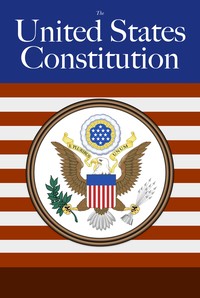
The United States Constitution by United States
Let's set the scene: It's 1787, and America's first attempt at a national government, the Articles of Confederation, is basically falling apart. The states are acting like squabbling siblings, there's no real way to raise money or run a country, and everyone's worried about the whole 'freedom' thing collapsing. So, a bunch of the big names from the Revolution—Washington, Madison, Franklin—hole up in Philadelphia for a summer to try and fix it. What happens next is a total rewrite.
The Story
The plot is the debate itself. It's a four-month-long, high-stakes brainstorming session. They argue about everything: Should big states have more power than small ones? (They solve this with the two-chamber Congress). How should we pick the president? (Enter the Electoral College, a weird but clever fix). And the biggest, most painful question: how do they address slavery? The compromises here are the darkest parts of the story, leaving a tragic problem for future generations. Out of all this arguing comes a seven-article blueprint. It sets up the three branches of government (so they can check each other's power), explains how laws are made, and lays out the relationship between the states and the new federal government. The final act is the brutal fight to get it ratified, which leads to the promise of adding a Bill of Rights—the first ten amendments that protect our personal freedoms.
Why You Should Read It
You should read it because it's not what you remember from school. Reading it directly, you feel the urgency and the brilliance of the compromises. These weren't dusty philosophers; they were practical politicians trying to build something that would work. The separation of powers isn't just a theory—it's a suspense mechanism to prevent tyranny. You see the framework for every political drama we have today. It's also incredibly short and to the point! You can read the whole original document in under an hour. It makes you realize how much of our current debates are still arguments about how to interpret this same, foundational text.
Final Verdict
Perfect for anyone curious about why American politics work the way they do—the good and the messy. It's essential for history fans, of course, but also for readers who love a great 'how-did-they-build-that' story. If you enjoy political dramas or legal thrillers, this is the original source code. It’s not an easy, breezy read, but it is a profoundly quick and impactful one. Keep a civics website open for translation, take it slow, and prepare to be impressed by the sheer nerve of it all.
You are viewing a work that belongs to the global public domain. Knowledge should be free and accessible.
Melissa Martinez
6 months agoThe layout is very easy on the eyes.
Jackson Thompson
1 year agoJust what I was looking for.
Linda Hernandez
7 months agoLoved it.
Oliver Jackson
2 years agoI didn't expect much, but it creates a vivid world that you simply do not want to leave. A true masterpiece.




Aiden Perez
1 year agoHonestly, the character development leaves a lasting impact. I would gladly recommend this title.